career-advice
The Emotional Roller Coaster of Job Searching in 2026: A Survival Guide
By Joe Ham · February 11, 2026 · 5 min read
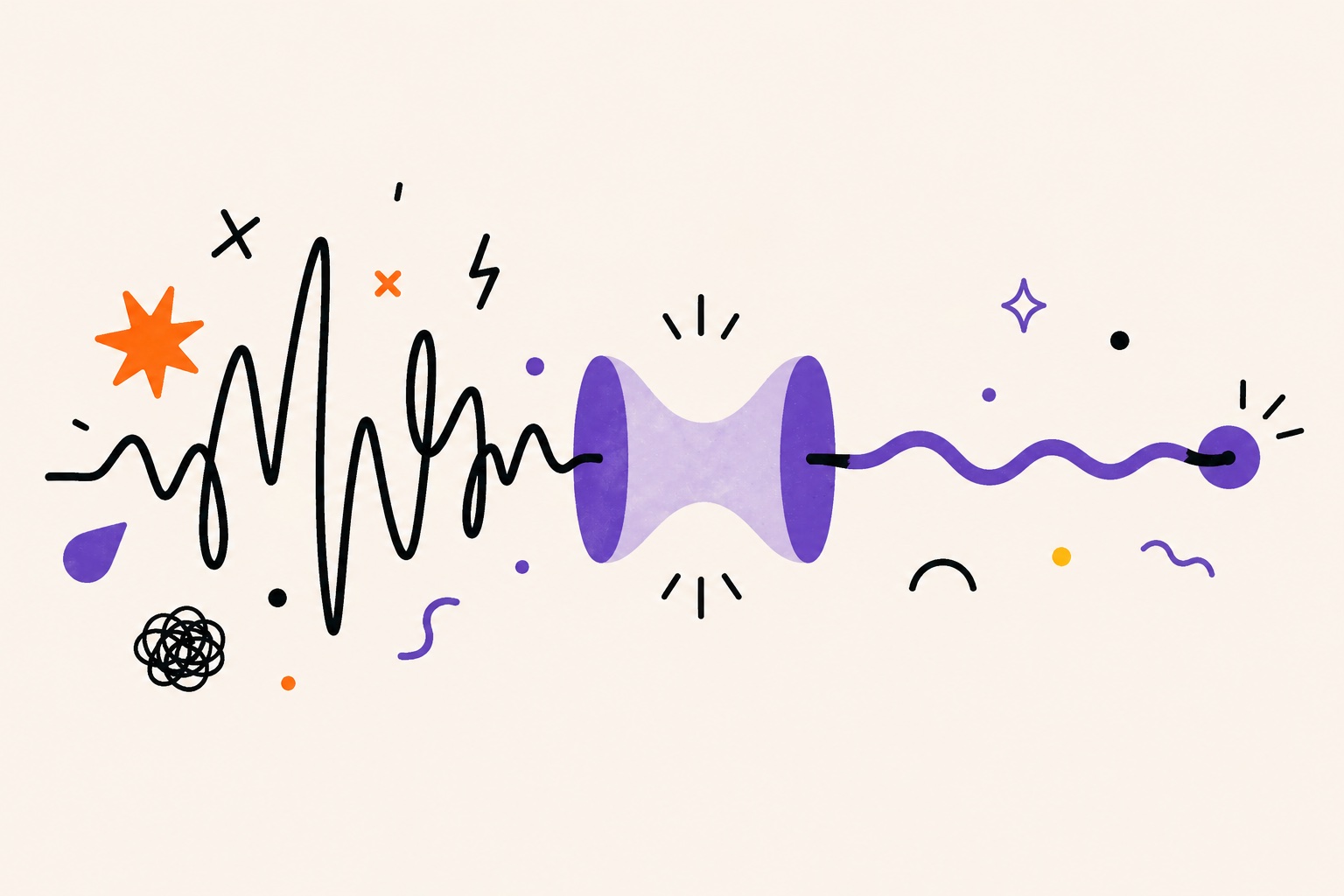
Let's be real: job searching is an emotional roller coaster.
One minute you are excited about a final round. The next, you are staring at a rejection email wondering what went wrong. Spoiler: probably nothing.
Back in 2019, Rebecca Zucker wrote a brilliant piece about managing these emotions. But the market has changed. A lot.
We dug into the research from 2024-2026 to see what is actually happening out there. Here is how to protect your mental health while you navigate it.
What's Different Now (Hint: Almost Everything)
The timeline has doubled. In 2019, a search took weeks. Today? It is 5-6 months on average. For tech roles, the timeline is often longer, with a 50% increase in 6+ month searches over the last two years.
Your resume probably never reaches a human. This part might hurt: 97.8% of Fortune 500 companies use automated screening systems. A robot reads your resume before any person sees it.
Rejection is instant. 21% of companies let AI reject you without human review. If you get a rejection 30 seconds after applying, do not take it personally. An algorithm just didn't find a keyword.
Strategy 1: Know What's Coming
The old advice was to expect ups and downs. The new advice? Recalibrate what those ups and downs look like.
You will have good weeks, then silence. In 2026, that silence is often algorithmic. Half of applicants wait 22 days for a first interview. For tech workers, the average time from application to offer is 71 days.
What you can do: Accept the 5-6 month timeline upfront. It is not failure; it is the market. Also, track your metrics. When you get an interview, realize you just beat a 98% rejection rate. That is a win.
Strategy 2: Process Your Emotions
79% of job seekers experience anxiety during their search. You are not weak for struggling; the struggle is documented and normal.
What you can do: Feel your feelings fully. Do not suppress them. Journaling helps significantly—one study found unemployed engineers who journaled were twice as likely to land jobs.
Separate process frustration from self-worth. "I hate these AI tools" is a valid critique. "I am not good enough" is a lie your brain tells you when it is stressed.
Strategy 3: Get Support (It's More Accessible Now)
Human career coaching is expensive, often running $300+ per hour. But AI has democratized access to support.
- Use the tools: Platforms like Careerflow.ai, Rezi, and Role Trackr help organize the chaos.
- Find your people: Join communities like "Never Search Alone" or niche Discord servers.
Layer your support. Use free AI tools for the resume work and community groups for the emotional heavy lifting. Isolation is the enemy here.
Strategy 4: Depersonalize the Algorithm
In 2019, depersonalization meant remembering busy recruiters. In 2026, it means realizing a bot made the decision.
61% of job seekers report being ghosted. Often, these are "ghost jobs"—positions that companies never intend to fill (about 20% of postings fall into this category).
The fix: Treat early rejections as debugging. If a bot rejects you instantly, tweak your keywords. Do not let a software filter dictate your self-esteem.
Strategy 5: Manage the Financial Anxiety
Financial stress compounds emotional strain. With real wages fluctuating and inflation biting, the pressure is real.
Protect your energy: Prioritize free stress relief like running or hiking. Your mood shows up in interviews, so you need those endorphins.
Budget for the long haul: Create a bare-bones budget for a 6-month search. Knowing you can survive reduces daily panic. If needed, embrace the "portfolio career" mindset and take gig work to bridge the gap.
The Bottom Line
Job searching in 2026 is objectively harder than it was a few years ago. Timelines are longer, and the process is more automated.
But stability is a competitive advantage. By regulating your emotions and understanding the system, you can outlast the volatility. It is a wild ride, but like all rides, it eventually ends.
You've got this. 💪